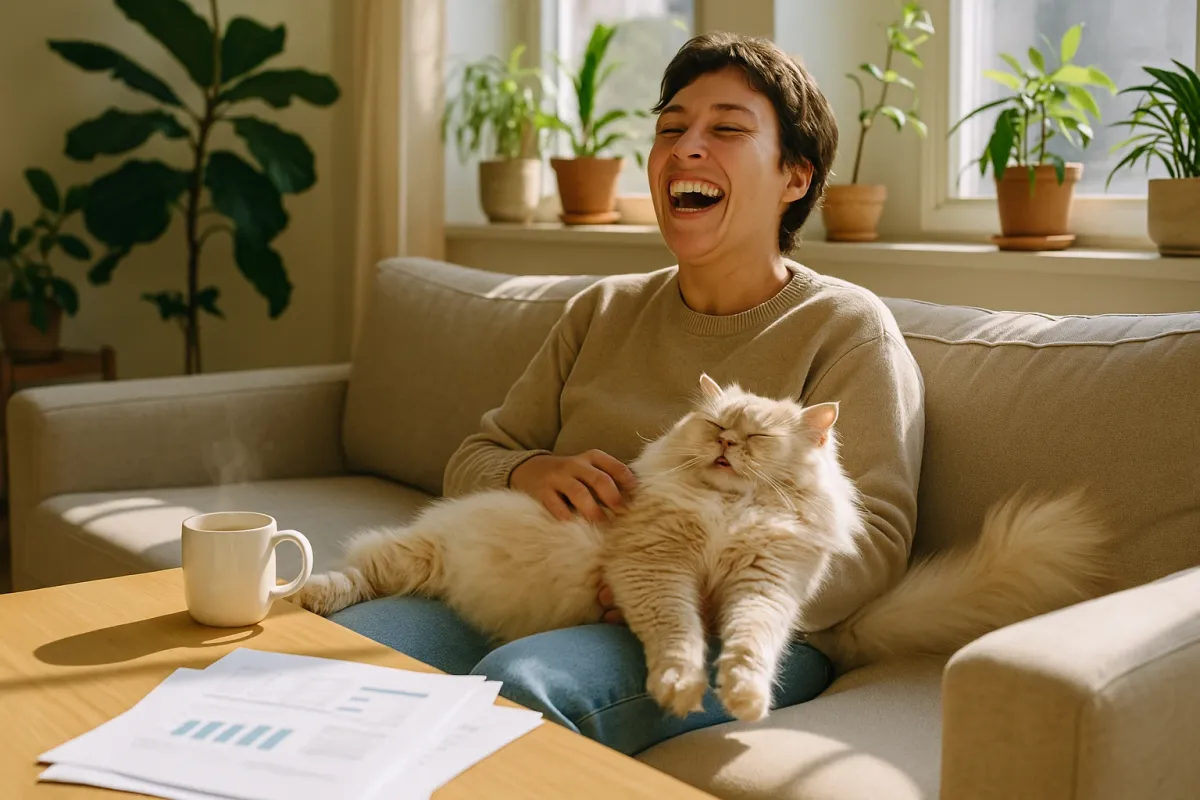
If your social feeds feel increasingly filled with plush Persians, cloud‑like Ragdolls, and impeccably groomed “floof” cats, you are not imagining it. Online communities devoted to sharing photos of the fluffiest felines are exploding in popularity, with one such group highlighted this week for amassing tens of thousands of members who log in daily simply to look at soft, contented cats. In a news cycle dominated by conflict and uncertainty, this seemingly lighthearted trend hides a serious truth: these micro‑moments of delight are quietly functioning as a mental‑health intervention at scale.
For Medicare beneficiaries—especially those navigating obesity, diabetes, heart disease, or the emotional fatigue of chronic illness—this cultural fascination with “comfort content” is more than cute. It is a live, real‑time experiment in how tiny, repeatable doses of positive emotion can buffer stress, stabilize habits, and ultimately support healthier weight trajectories. Below, we unpack five refined, research‑aligned insights inspired by the viral “fluffy cat” phenomenon—and how you can translate this social media trend into a deliberate, Medicare‑savvy health advantage.
1. The New “Fluff Therapy”: Using Micro‑Joy as a Metabolic Tool
The online group celebrating “the fluffiest cats ever” is doing something quite sophisticated without ever labeling it as such: it’s engineering predictable micro‑moments of joy. Viewing warm, non‑threatening images has been shown in multiple small studies to lower perceived stress and gently shift the nervous system toward a calmer, parasympathetic state. That matters because chronic stress elevates cortisol, which nudges blood sugar higher, increases central fat storage, and can derail even the most disciplined meal plan.
For older adults living with obesity or prediabetes, deliberately curating a short “joy ritual” around this kind of content can be more than a guilty pleasure—it can become a quiet metabolic strategy. A five‑minute break to scroll through soothing pet images after a tense phone call, a medical appointment, or a challenging family interaction can help prevent the stress‑eating reflex that so often follows. This is not about escapism; it is about inserting a small, precisely timed interruption between stress and your next health decision, from what you eat to whether you take an evening walk.
2. Turning Passive Scrolling into a Structured Mental‑Health Practice
The popularity of fluffy‑cat communities highlights a broader trend: people instinctively gravitate to gentle, non‑argumentative corners of the internet when the rest of their feed feels overwhelming. For Medicare beneficiaries, this can be elevated into a structured, protective practice rather than a vague habit of “just scrolling.”
Begin by segmenting your digital life: create a dedicated “restorative” list or folder—accounts that reliably make you feel calmer, kinder, and quietly amused, rather than agitated or inadequate. This might include pet‑photo communities, nature photography, or wholesome comic artists who focus on mental health. When you notice yourself drifting into doomscrolling—whether it is distressing news, contentious comment threads, or body‑comparison content—consciously exit and spend a set three to five minutes in your restorative feed instead. Think of it as a mental palate cleanser that helps restore emotional steadiness, which in turn supports better food choices, medication adherence, and sleep. Over time, this small discipline can subtly improve your overall resilience, making weight‑loss behaviors more sustainable.
3. From Watching to Belonging: Harnessing Community for Accountability
This week’s coverage of the viral fluffy‑cat group emphasized not just the images, but the comments: strangers encouraging adoptive pet parents, celebrating rescue stories, and sharing small life updates beneath each photo. That sense of low‑stakes, positive community may be especially valuable for older adults who feel isolated or who are newly retired and adjusting to a quieter daily rhythm. Loneliness is not only emotionally painful; it has been robustly linked to higher rates of obesity, cardiovascular disease, and premature mortality.
If you are pursuing weight loss under Medicare—whether through lifestyle change, anti‑obesity medication prescriptions, or post‑bariatric surgery follow‑up—consider how you might mirror the emotional architecture of these pet groups. You do not need to join a public weight‑loss forum if that feels exposing; instead, you might participate in a small, moderated healthy‑aging group, a local walking club’s online page, or even a disease‑specific community (such as one for people living with diabetes or heart failure) that emphasizes encouragement over judgment. The goal is the same: to feel gently witnessed. When someone “likes” your post about preparing a balanced dinner, taking your evening stroll, or attending your follow‑up appointment, that micro‑acknowledgment can make it easier to stay the course tomorrow.
4. Gentle Content as a Sleep Hygiene Ally
One underappreciated angle in the fluffy‑cat trend is its timing. Many people report visiting these groups late at night, when they are too wired to sleep but too tired for anything demanding. That choice matters. Late‑night exposure to alarming headlines, confrontational opinion pieces, or frenetic video clips activates the brain precisely when it should be winding down. Poor sleep, in turn, disrupts hormones like leptin and ghrelin, increasing appetite and preference for high‑calorie foods the next day—an especially potent issue for Medicare beneficiaries managing weight and blood sugar.
A more refined approach is to treat these soft, charming corners of the internet as the only acceptable digital destination for the last half hour before bed. Silence notifications from news, finance, and debate‑heavy platforms after a chosen evening cutoff. If you wish to stay online, confine your late‑night viewing to soothing material: cats batting at feathers, pets curled in sunbeams, or tranquil nature clips. Pair this with dimmed lighting and a warm beverage that fits your medical plan (such as caffeine‑free herbal tea if approved by your clinician). Over weeks, this consistency can improve sleep quality—an understated but critical pillar of successful and safe weight loss in older adults.
5. Translating Comfort Into Action: Designing a Reward System That Actually Works
The allure of fluffy‑cat content underscores a timeless truth: we are wired to seek comfort. For many Medicare beneficiaries, that comfort has historically come from food—especially energy‑dense, sugary, or salty options that provide fast pleasure but undermine long‑term health. What the current pet‑photo craze shows is that comfort can be powerfully non‑edible yet deeply satisfying. The key is to formalize it.
Begin by identifying your highest‑risk moments: perhaps late‑afternoon fatigue, evenings after caregiving duties, or weekends when structure falls away. Then consciously pair those windows with non‑food comforts that genuinely delight you: five minutes in your favorite fluffy‑pet group, a saved folder of your preferred calming images, a short call with a friend who makes you laugh, or a recorded relaxation exercise from a reputable health app. If you are working with a clinician under Medicare—whether a primary‑care physician, a behavioral health specialist, or a registered dietitian in a reimbursed program—share this plan. Ask them to help you weave it into your broader weight‑management strategy, which may also include medical nutrition therapy, supervised physical activity, and, where appropriate, covered counseling or pharmacotherapy. The aim is not to deny comfort, but to elevate it: you are upgrading from fleeting, high‑calorie relief to elegant, sustainable sources of ease.
Conclusion
Behind the viral charm of ultra‑fluffy cats lies a surprisingly sophisticated blueprint for better health: brief, repeatable joy; gentle community; calmer evenings; and accessible comfort that does not come on a plate. For Medicare beneficiaries navigating the complex terrain of weight loss and chronic disease, these are not trivial details. They are levers—small but potent—within your control.
You do not need a prescription to curate a calmer feed, a kinder online circle, or a more deliberate nighttime ritual. Yet these choices can subtly improve your stress levels, your sleep, and your ability to follow through on the more formal elements of your care plan. In an era when the digital world often feels sharp‑edged and exhausting, choosing to dwell, even briefly, among the fluffiest creatures on your screen may be one of the most refined health investments you make this year.
Key Takeaway
The most important thing to remember from this article is that this information can change how you think about Health Benefits.